THE BEGINNINGS
OPENING & EARLY OPERATION:
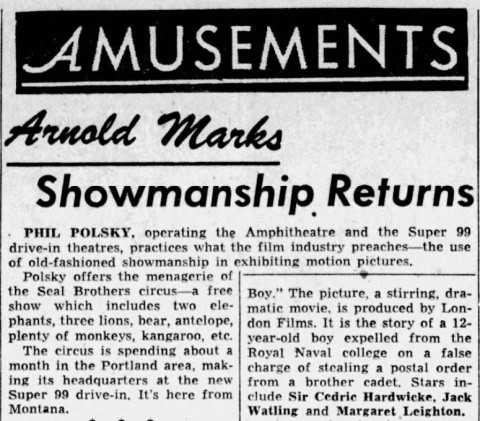
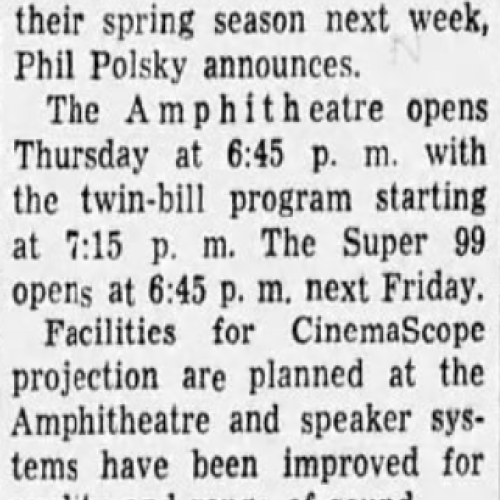
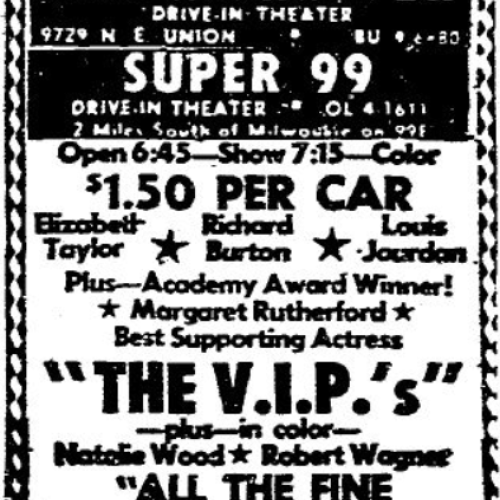
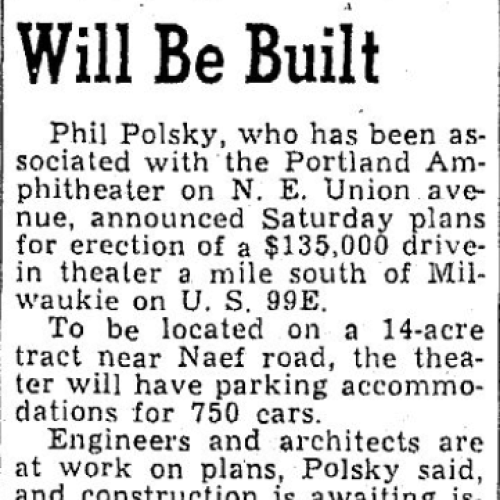
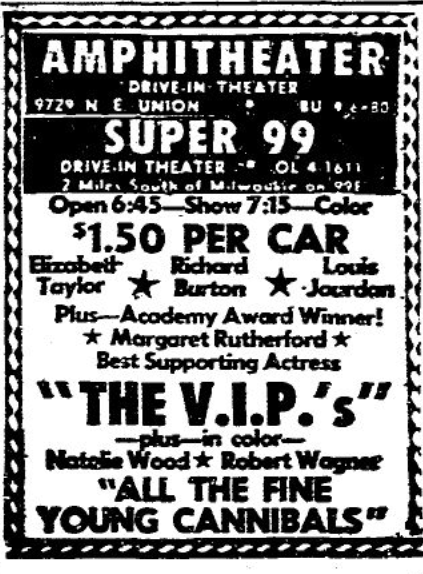
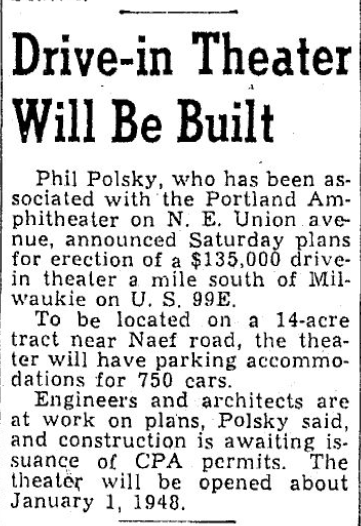
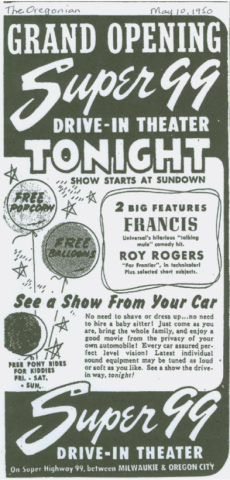
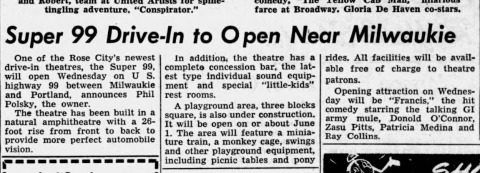
When the Super 99 Drive-In officially opened its gates on May 10th, 1950, it represented a massive quarter-million-dollar ($250,000) investment into Oregon's mid-century "drive-in" boom. Described by local press as "Portland's swank new drive-in," the project was funded by Canadian businessman Phil L. Polsky, who had recently opened the nearby Amphitheatre at the Portland Speedway. Polsky, who had built a big fortune in the 1930s as the owner of the Christenson Oil Company, looked to expand his ownership in independent theaters and build another drive-in along Highway 99E, one mile south of Milwaukie, to capitalize heavily on the century's automobile dependence.
THE SITE:
Located on US Highway 99, the Super 99's layout was a marvel of roadside engineering. Built in a natural amphitheater, the lot featured a 26-foot rise from the screen to the back row. Individual bunkers were engineered so that every car had perfect, level sightlines over the vehicles parked in front of them. While the site layout was advanced, the construction of the initial screen tower was surprisingly old-school, using block and tackle to raise timber trusses by hand rather than using a crane.
HISTORICAL EVENTS
WINDSTORM (1951)
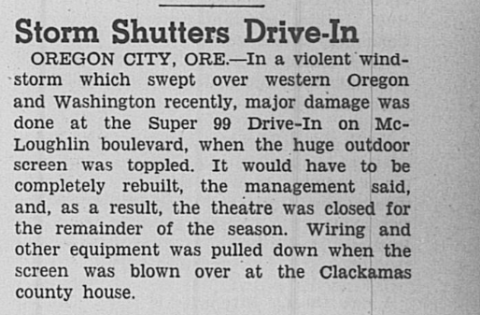
In Late Autumn of 1951, a regional windstorm destroyed the timber tower, completely toppling the screen structure and dragging down the primary wiring and speaker grids. The damage forced the drive-in to close the venue early for the remainder of the season.
THE COLUMBUS DAY STORM (1962)
Just over a decade later, on October 12th, 1962, weather hits the Super 99 once again. The historic Columbus Day Storm battered the Highway 99E transportation corridor, collapsing the main screen structure a second time and delayed its spring reopening due to extensive structural rebuilding.
THE SPEAKER HEIST (1954)
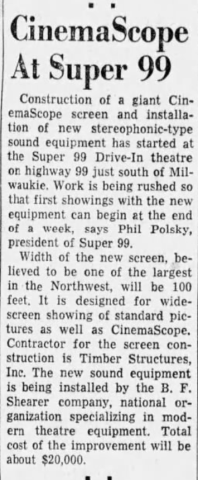
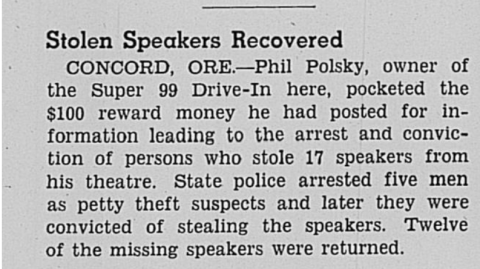
Beyond weather hazards, running a state-of-the-art sound system came with operational hardships. In April of 1954, a local "petty theft" ring stripped 17 individual speaker units straight off the theater's audio posts. Following an investigation and convictions by the Oregon State Police, luckily 12 of the speakers were recovered. Interestingly, owner Phil Polsky ended up pocketing the $100 cash recovery reward he had posted for information leading the arrest of 5 men.
UPGRADES (LATE 1954)
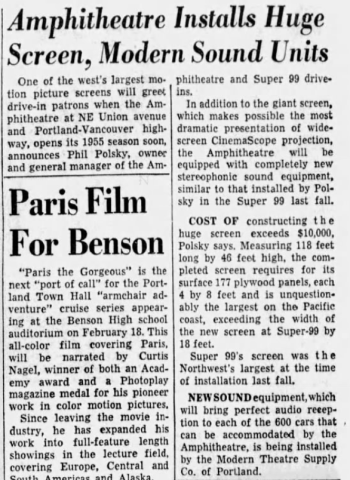
Following the heist, the theater launched its largest technological counter to combat the rapid rise of home television sets. Polsky contracted Timber Structures, Inc. to build a massive 100-foot-wide CinemaScope wooden screen framework, one of the largest widescreen installations in the Pacific Northwest at the time. At the same time, the audio infrastructure was overhauled by the B.F. Shearer Company, which installed advanced stereophonic-type sound systems at a cost of roughly $20,000 per season.
NEWSPAPER PRESENCE
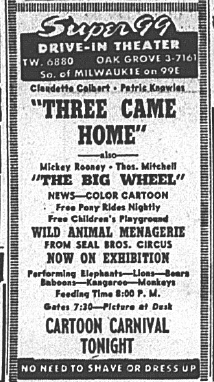
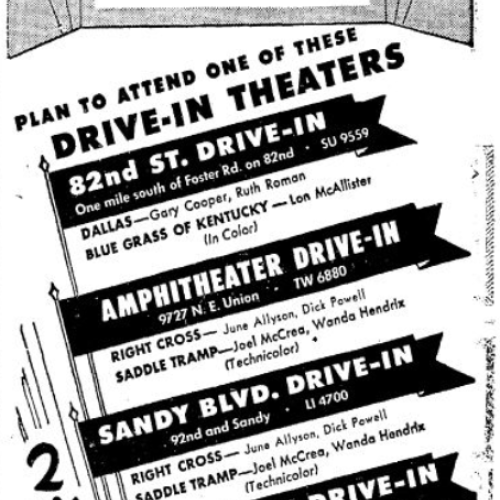
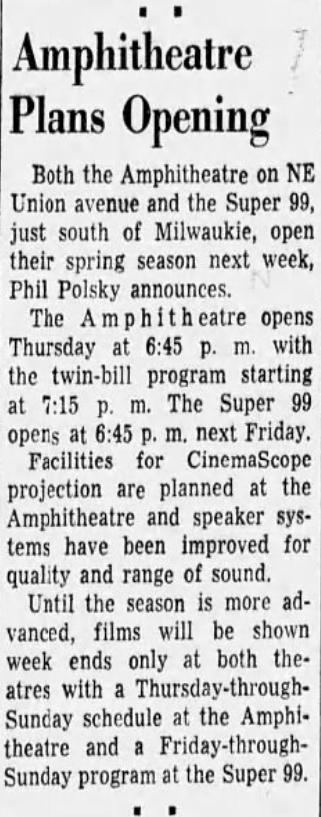
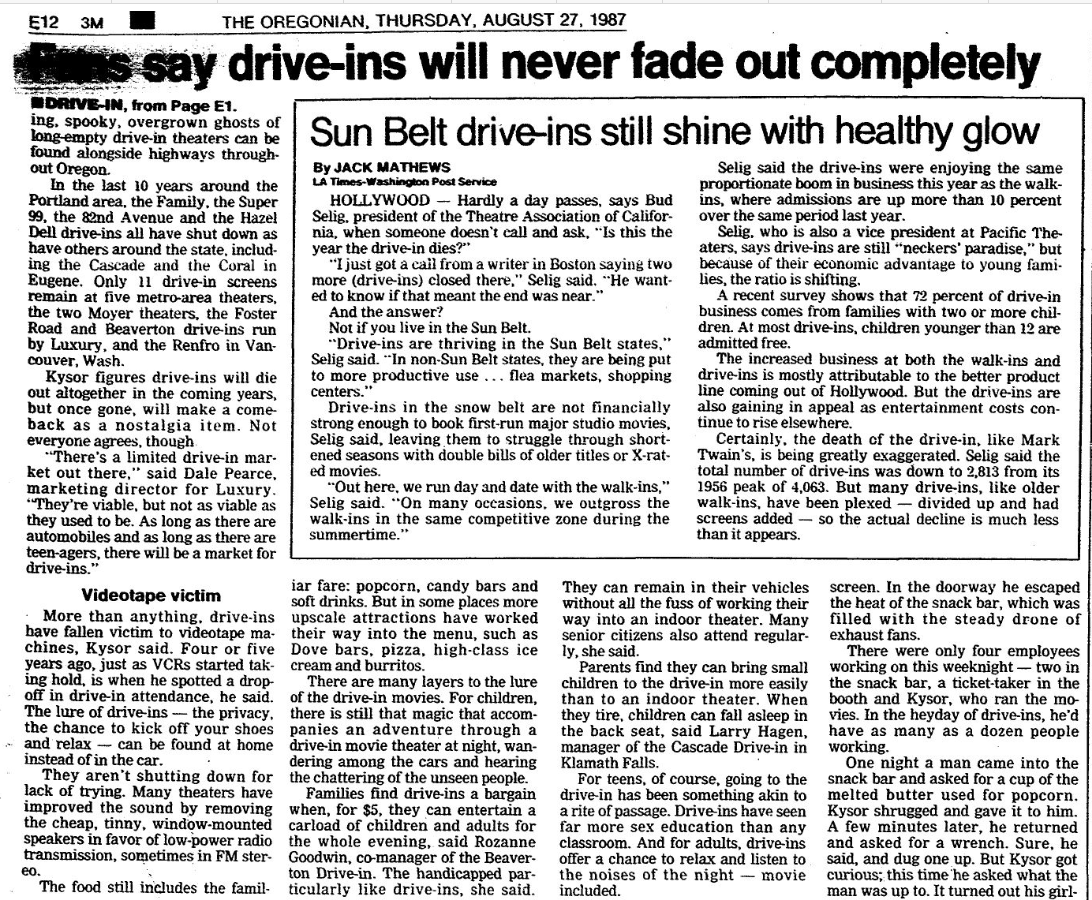
The historical footprint of the Super 99 is recorded across regional and national media. Trade logs like BoxOffice Magazine and Exhibitor captured its structural evolutions, while local newspapers like The Oregonian and the Oregon Daily Journal recorded its daily cultural impact. The venue regularly used the media to keep the community engaged by hosting local newspaper-sponsored events, contest, and more.
PROMOTIONAL STRATEGIES
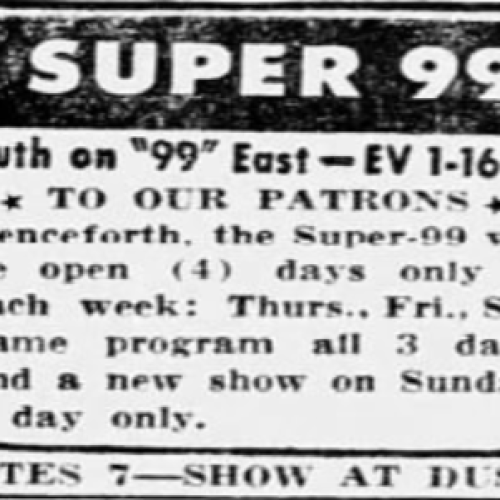
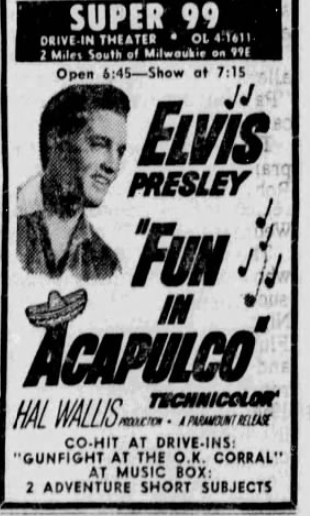
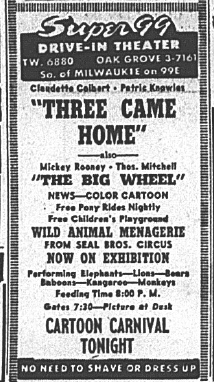
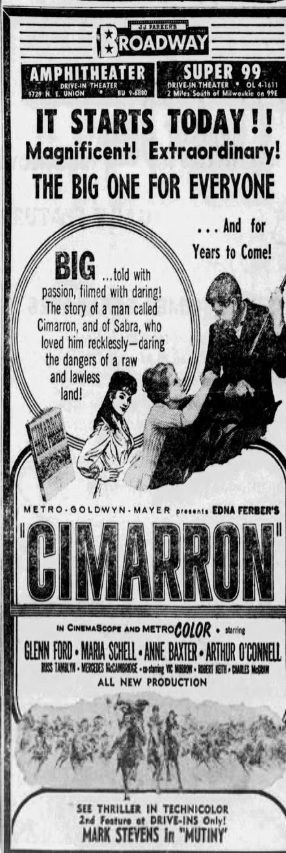
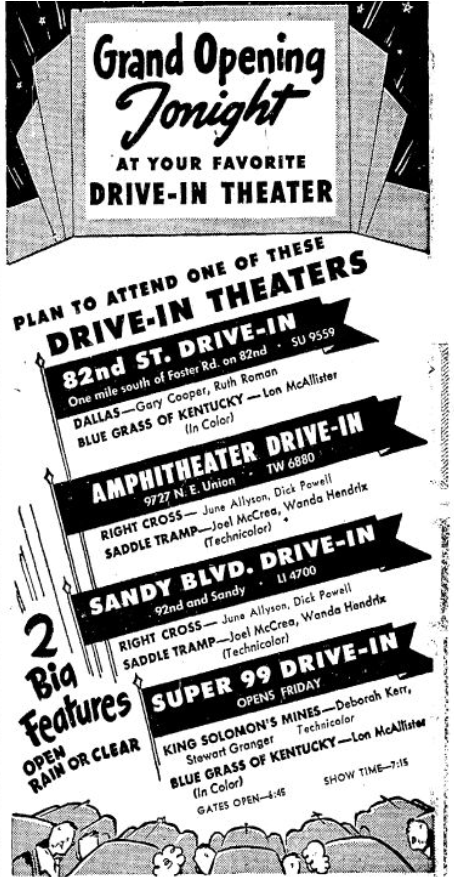
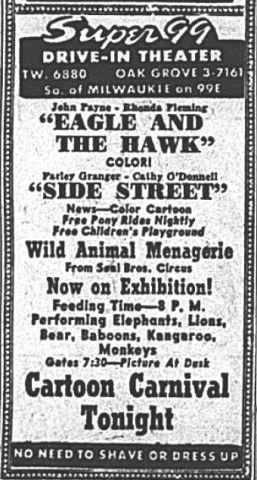
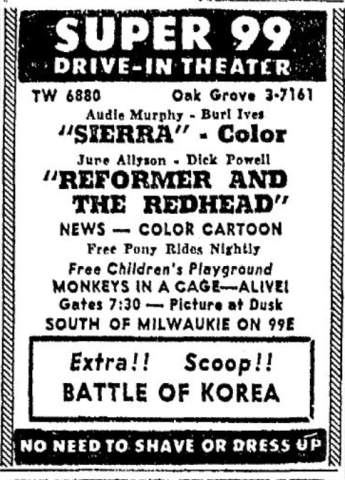
The theater's marketing strategy thrived by actively advertising new film screenings daily. In addition, the theater utilized denying the rigid public decorum and strict dress codes of traditional movie palaces. Promotions leaned heavily into domestic comfort and informal convenience, driving from famous casual slogans like "See a Show From Your Car" and "No Need to Shave or Dress Up". To handle unpredictable PNW weather, ads regularly promised an "Open Rain or Clear" policy to reassure customers.
OGRAMMING AND TECHNOLOGICAL SHIFTS
SCREENINGS AND PORGRAM
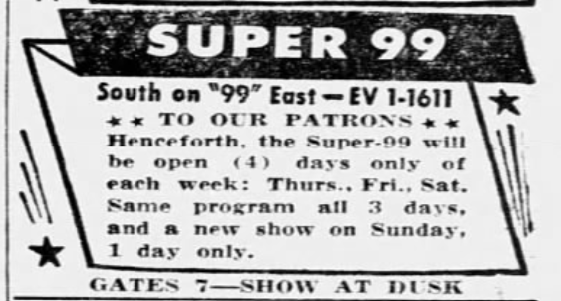
The theater structured its nightly entertainment experience around
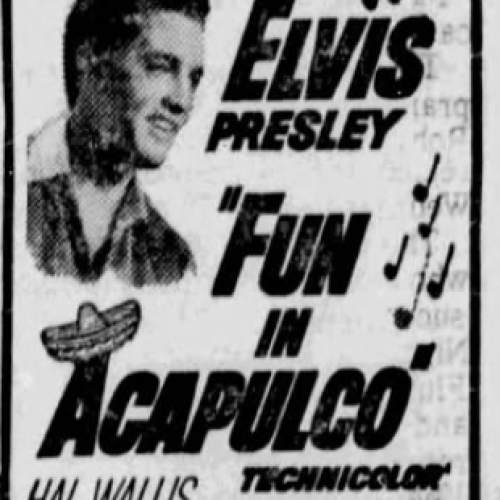
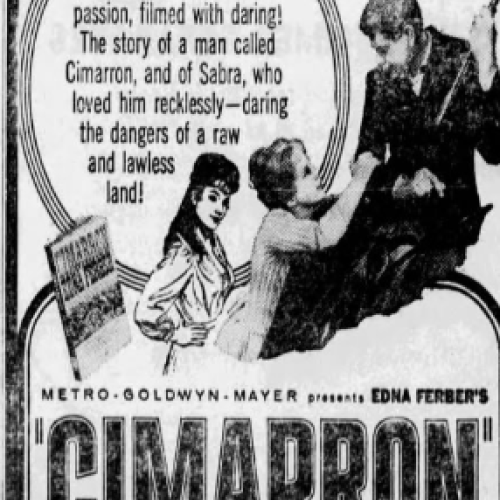
double-features, starting exactly at dusk, prioritizing family-centered programs. Promoters even integrated political realities into the venue; early 1950s advertisements show urgent, real-time Korean War newsreels titled "BATTLE FOR KOREA!" billed directly into the nightly family Cartoon Carnival lineups to catch customers before the main features started.
Image
| Image
|
|---|
UPGRADES (LATE 1954)
To battle the rapid rise of home television sets, the theater launched major technological upgrades in late 1954. Polsky contracted Timber Structures, inc. to build a massive 100-foot-wide CinemaScope wooden screen structure, one the largest widescreen installations in the Pacific Northwest. This was also paired with a $20,000 (per season) stereophonic sound system overhaul by the B.F. Shearer Company to deliver advanced audio quality to individual speaker posts across the amphitheater.
INTERESTING THINGS TO NOTE
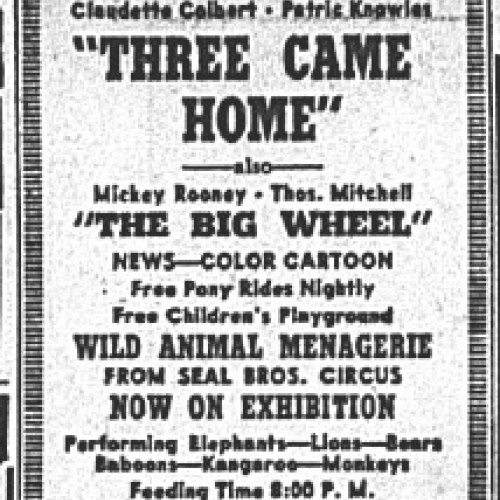
To establish the drive-in as a complete suburban destination, Polsky opened an expansive three-blocks-square playground right under the giant movie screen on June 1st, 1950. Alongside swings, picnic tables, and free pony rides, the venue featured permanent roadside cages holding live ringtail monkeys. This amusement element grew into an operational partnership with the Soul Bros. Circus to host a live "Wild Animal Menagerie" on the property, drawing in massive crowds for a strict 8:00PM time featuring live lions, elephants, bears, baboons, and kangaroos right next to the screen before the movies.