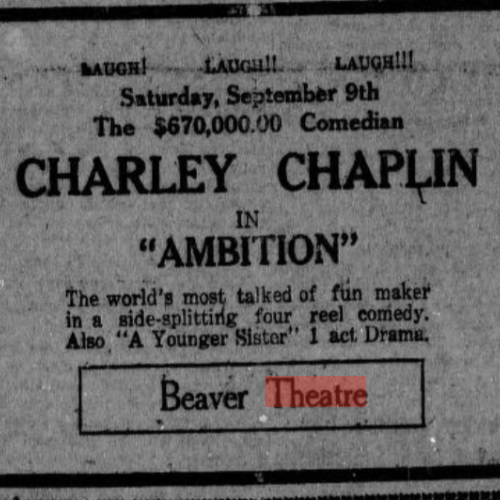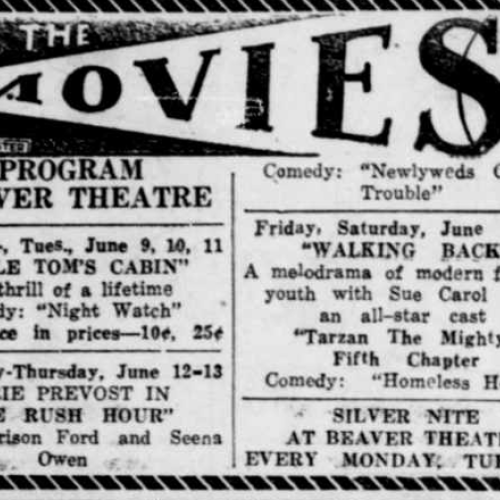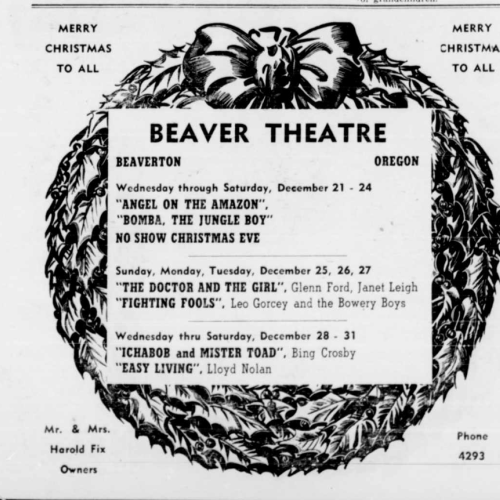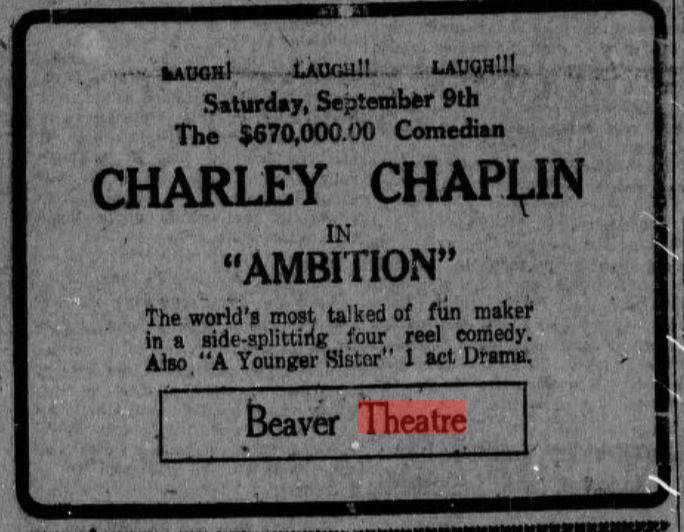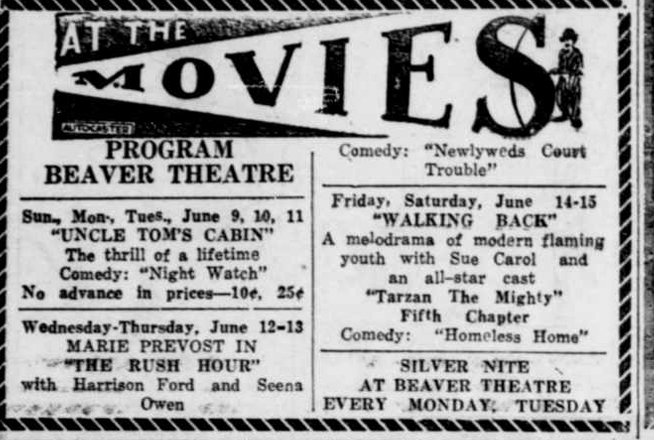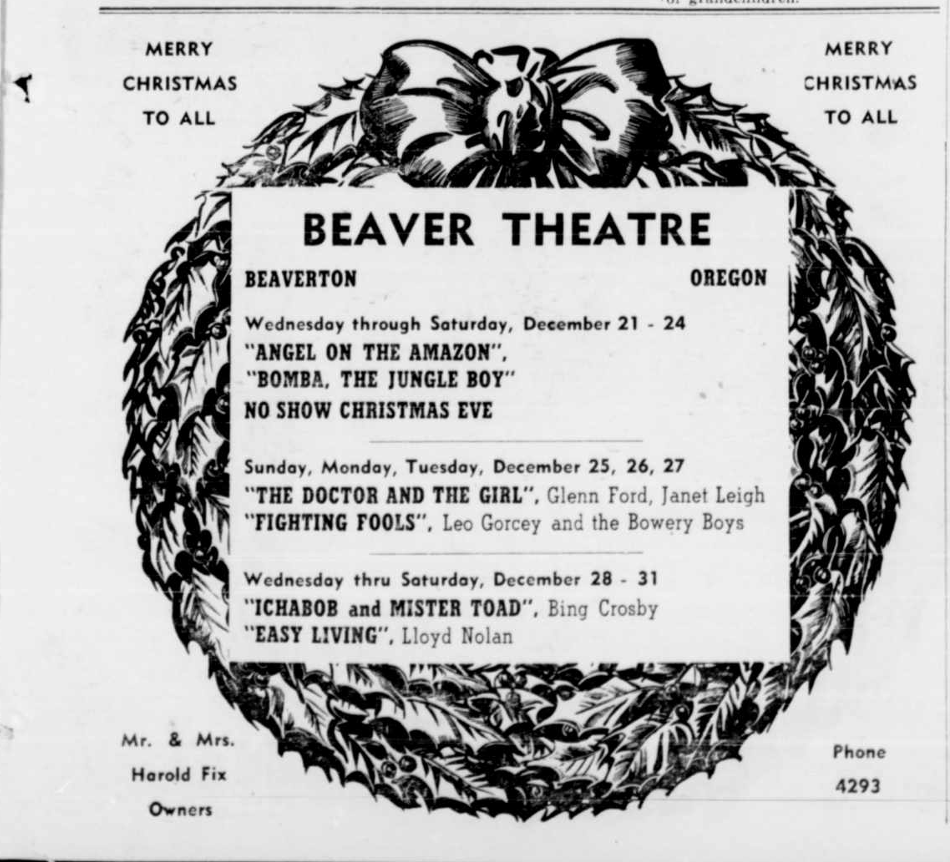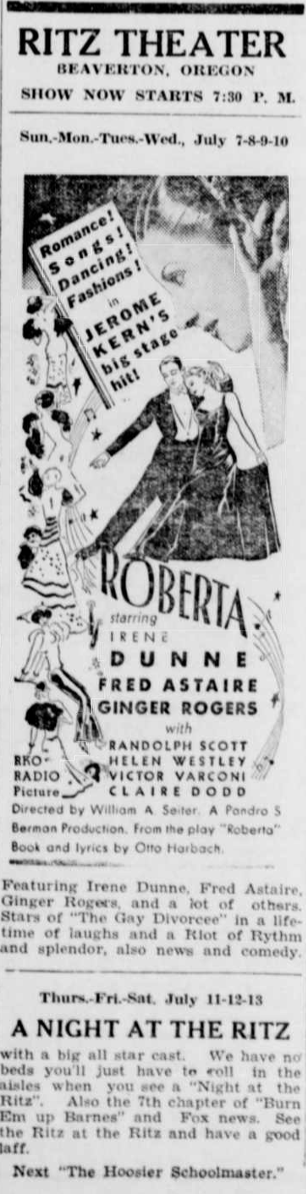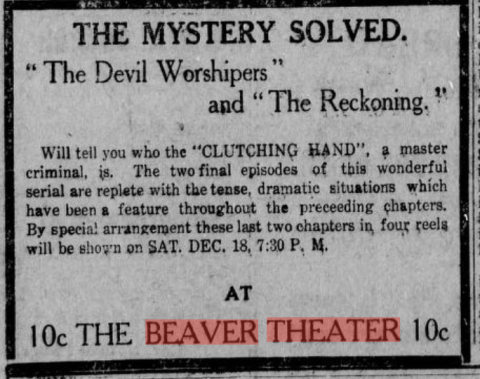
The earliest known advertisements for the Beaver Theatre appeared in local newspapers in October 1915, indicating that Beaverton had a functioning movie theater by the end of that year. While the exact opening date remains unclear, these advertisements suggest that local residents already had access to regular motion picture entertainment. Over the next decade, the theater would undergo several changes in ownership, management, and even its name.
One of the biggest transitions occurred in 1920, when local businessman N. G. Freeman announced plans to construct a new motion picture theater and dance hall along Pacific Highway. A September 1920 newspaper article described the project as a modern entertainment venue containing more than 3,000 square feet of hardwood floor space. Freeman emphasized that local labor and materials would be used whenever possible, presenting the building as both a business venture and an investment in the community. The article also noted plans for a large electric sign that would advertise the theater to travelers passing through Beaverton.
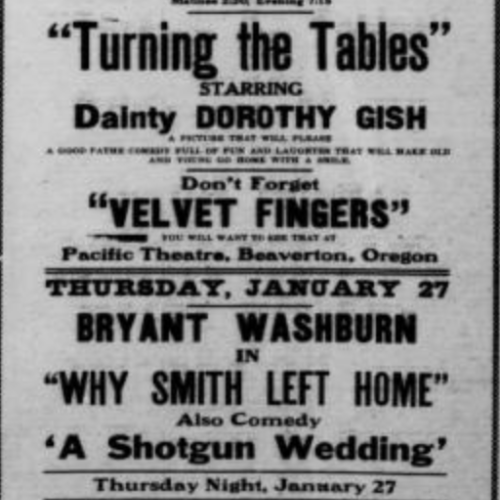
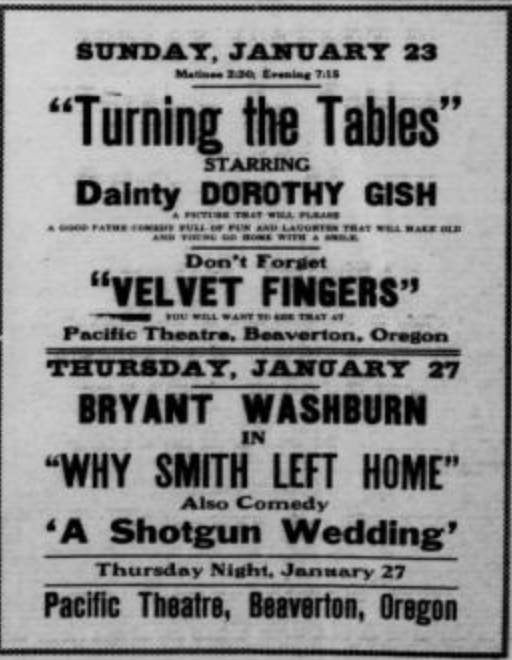
By December 24, 1920, construction was complete, and newspapers announced that the new Pacific Theatre would open the following week. The theater initially seated about 250 patrons, with plans to expand capacity as attendance increased. Freeman promised audiences quality films, good music, and continued improvements to the building. The opening feature was Blanche Sweet's The Deadlier Sex, and regular evening and Sunday matinee screenings were scheduled.
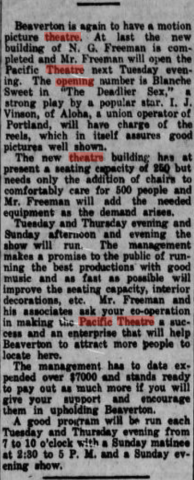
Although the theater briefly operated under the name Pacific Theatre, it remained part of the history of what would later become known as the Beaver Theatre. These 1920 articles capture a moment when local leaders viewed movie theaters not only as entertainment venues but also as symbols of progress and growth in a rapidly developing Beaverton.
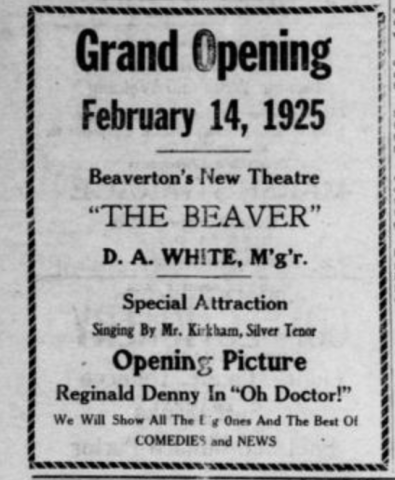
That vision became even more apparent on February 14, 1925, when the newly constructed Beaver Theatre celebrated its grand opening. Advertisements promoted the event as the opening of “Beaverton’s New Theatre,” featuring Reginald Denny in the silent comedy Oh Doctor!, along with comedy shorts, newsreels, and a live performance by “Mr. Kirkham, Silver Tenor.”
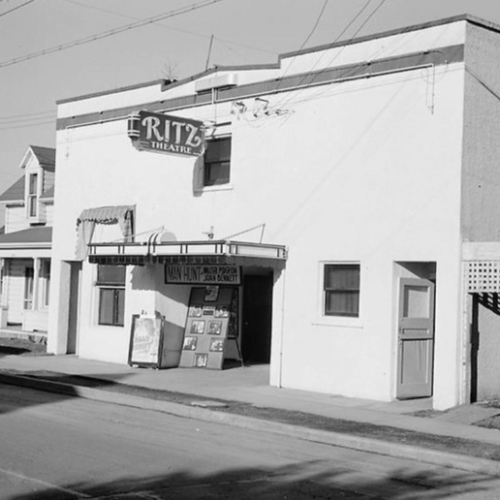
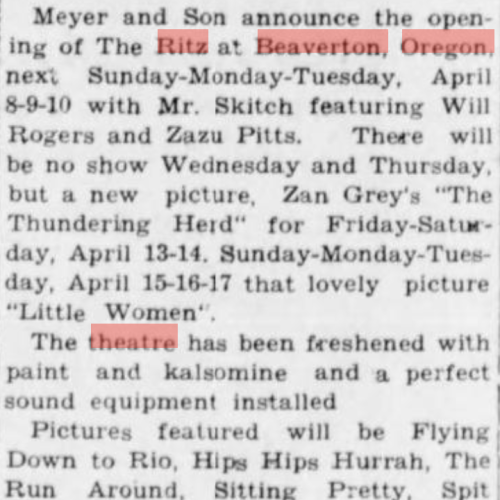
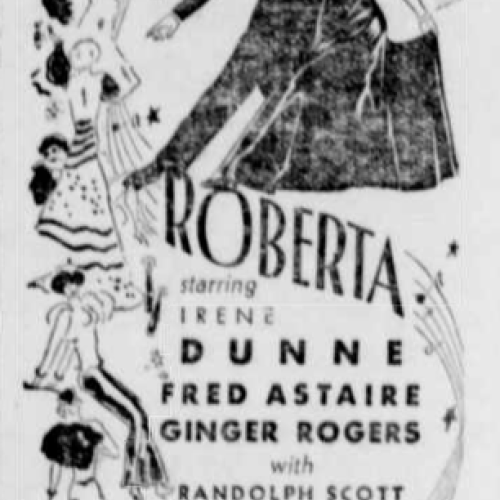
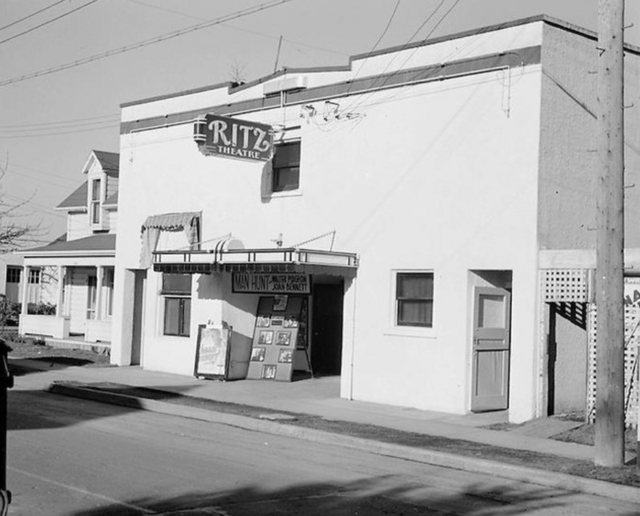
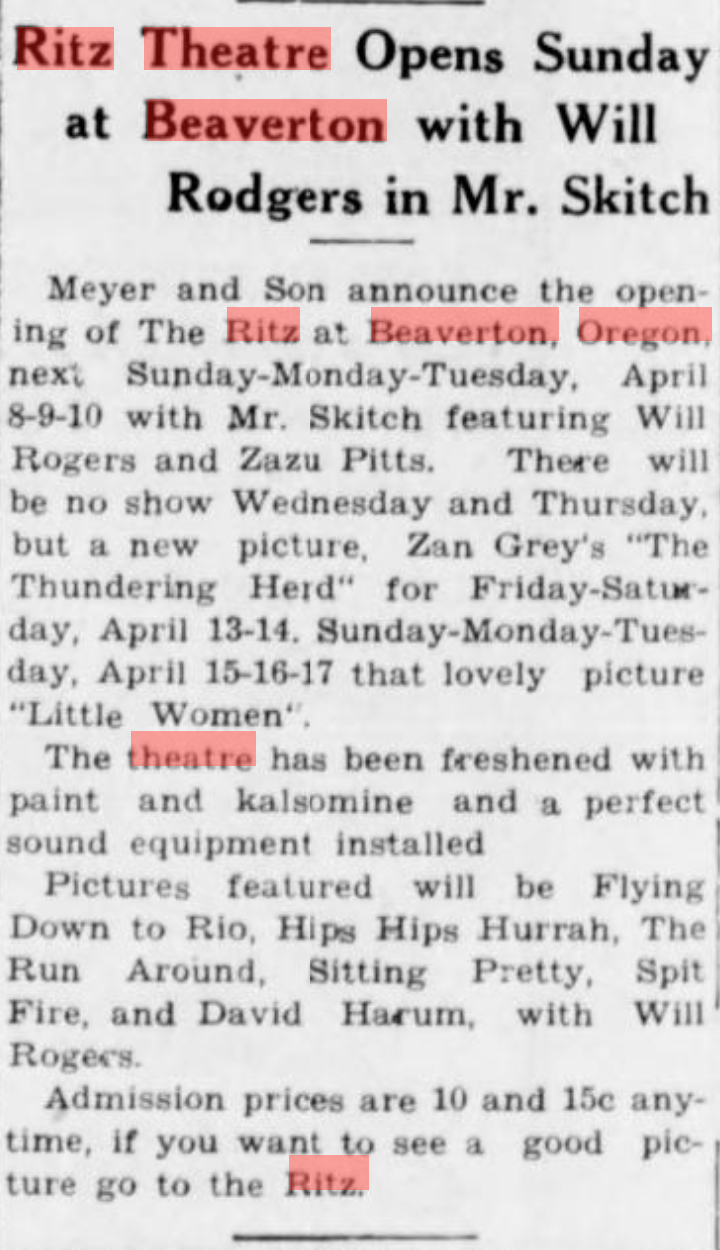
During the 1930s, the theater underwent another transformation when it became known as the Ritz Theatre. The name change accompanied new ownership and management, but the building itself remained the same community landmark. Advertisements from the decade reveal the Ritz showing a wide range of Hollywood productions, including musicals, comedies, westerns, and family films. Popular features such as Roberta (1935), starring Irene Dunne, Fred Astaire, and Ginger Rogers, brought nationally recognized entertainment to local audiences. In 1935, new owners Robert J. Mattecheck and Harold Gunness announced plans for extensive renovations, including a new marquee, updated equipment, and improvements to both the interior and exterior of the building.
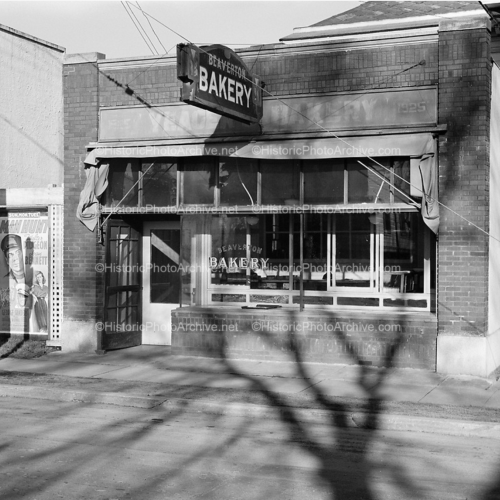
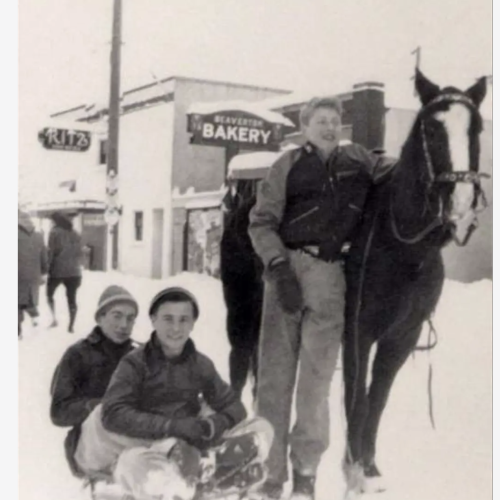
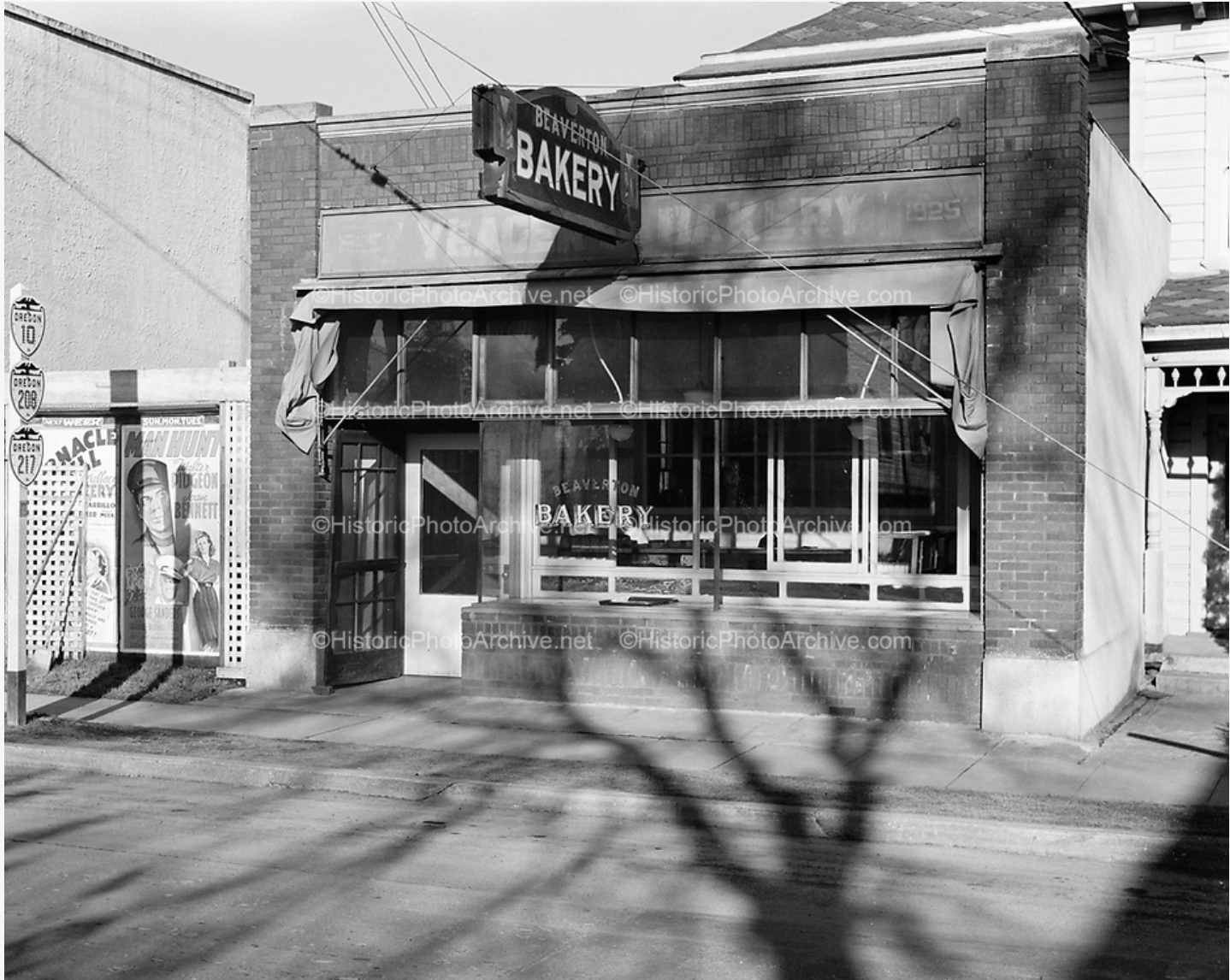
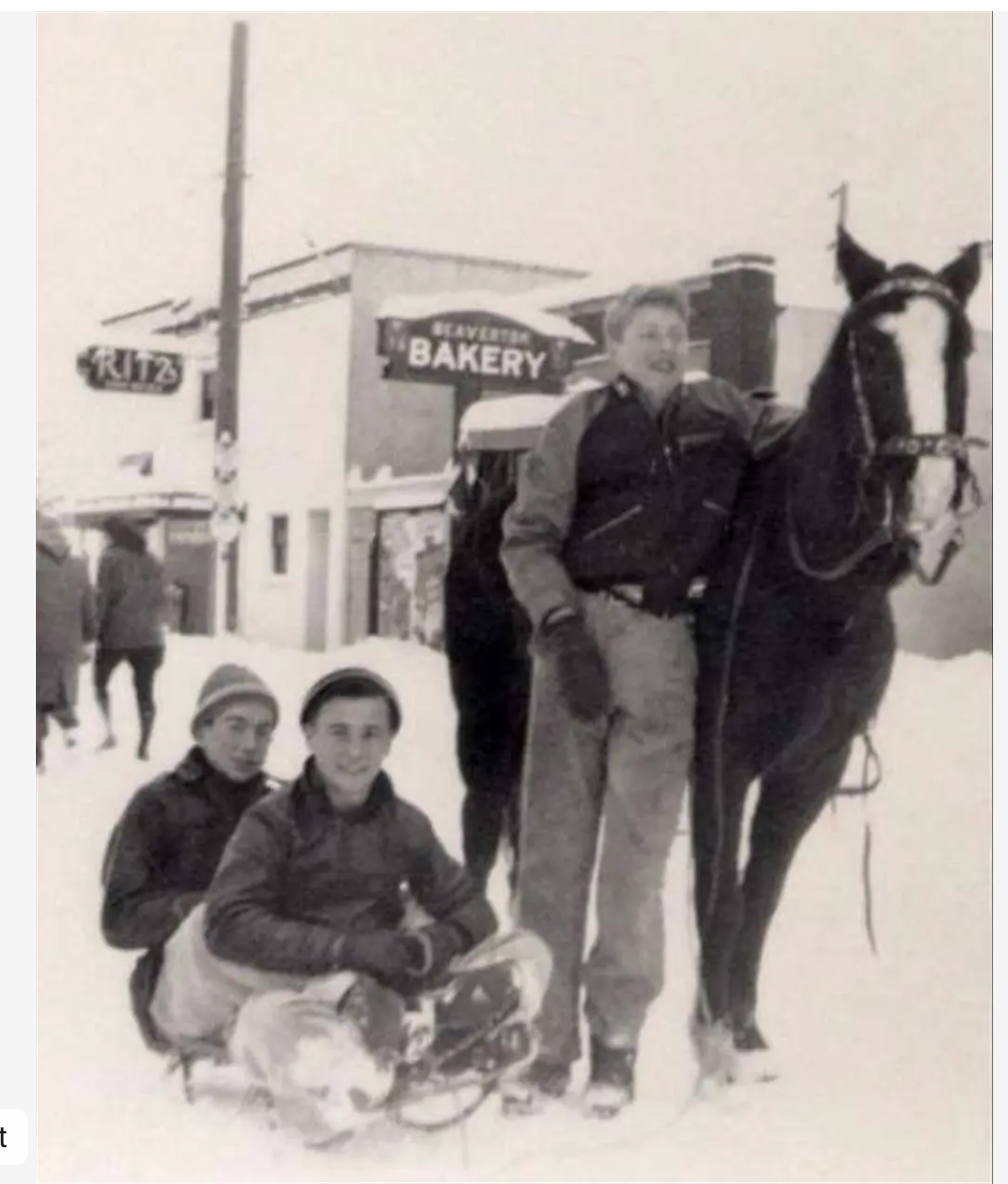
The 1940s saw the theater continue to adapt to changing audiences and wartime conditions. Photographs from 1941 are among the few
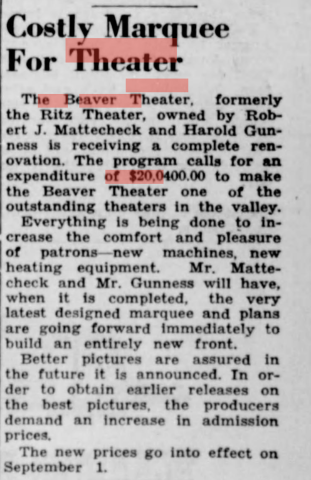
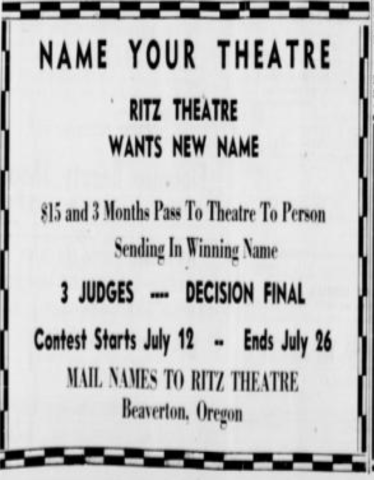
images of the building, showing the Ritz Theatre standing beside the Beaverton Bakery in downtown Beaverton. Movie posters displayed outside advertised contemporary films and helped draw patrons into the theater. During World War II, the theater participated in war bond campaigns and screened films connected to the war effort. In 1946, the theater once again adopted the Beaver Theatre name after a community naming contest in which sixteen contestants submitted "Beaver" as their choice for the theater's new name. That same year, owners Robert J. Mattecheck and Harold Gunness invested heavily in the building's future. An August 30, 1946 article announced a $20,000 renovation project that included new projection equipment, updated heating systems, a modern marquee, and plans for an entirely redesigned front facade. The improvements aimed to make the Beaver Theatre one of the leading theaters in the valley while providing a more comfortable experience for patrons. By the end of 1946, the Beaver Theatre had reestablished itself as a prominent entertainment venue in downtown Beaverton, demonstrating how the same theater building continued to evolve under new ownership, through renovations, and in response to changing community needs.
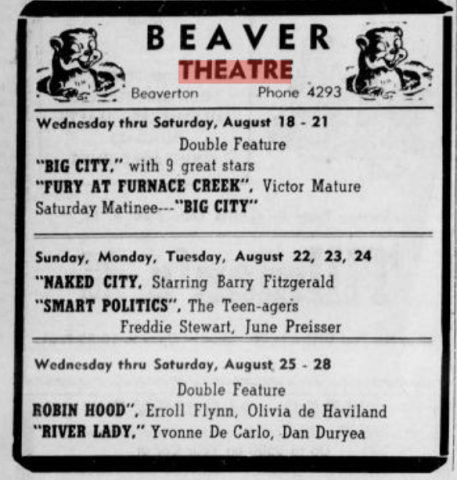
The theater remained a popular part of downtown Beaverton throughout the 1950s and 1960s. Newspaper advertisements from these decades followed a familiar format, listing weekly programs, admission prices, newsreels, cartoons, and Hollywood features. Families could regularly find westerns, comedies, musicals, and children's films playing at the theater. During this period, the building was known as the Film Fair, continuing the pattern of name changes that had marked its history since the 1920s. Despite these changes, the theater remained one of Beaverton's primary entertainment venues and a recognizable part of the downtown landscape.
Evidence from the 1970s and early 1980s is much more limited. Newspaper coverage becomes less frequent, suggesting that the theater no longer occupies the central role it once had in community life. By the mid-1980s, the building was being used primarily for community theater productions rather than motion pictures. An Oregonian article from 1989 described a struggling theater that had difficulty attracting audiences and financial support despite efforts by local arts organizations and city leaders.
Although movies and live performances disappeared from the building, the structure itself survived. The bakery remained in operation until 2018, when it closed following the death of its owner.
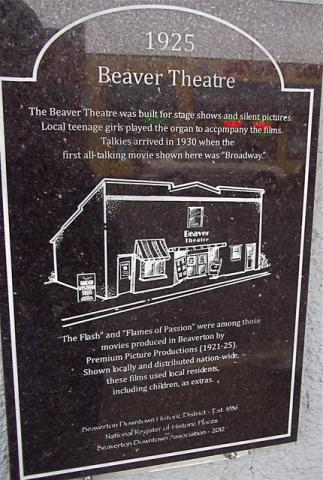
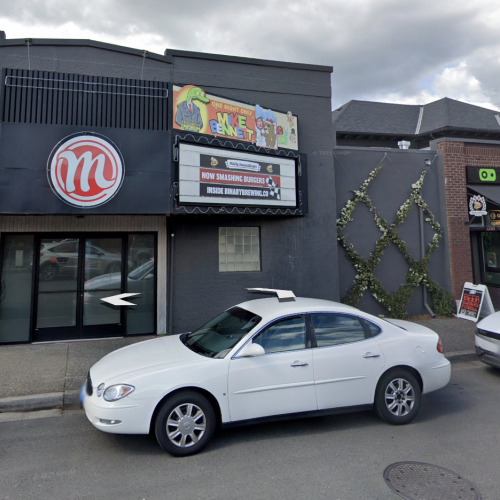
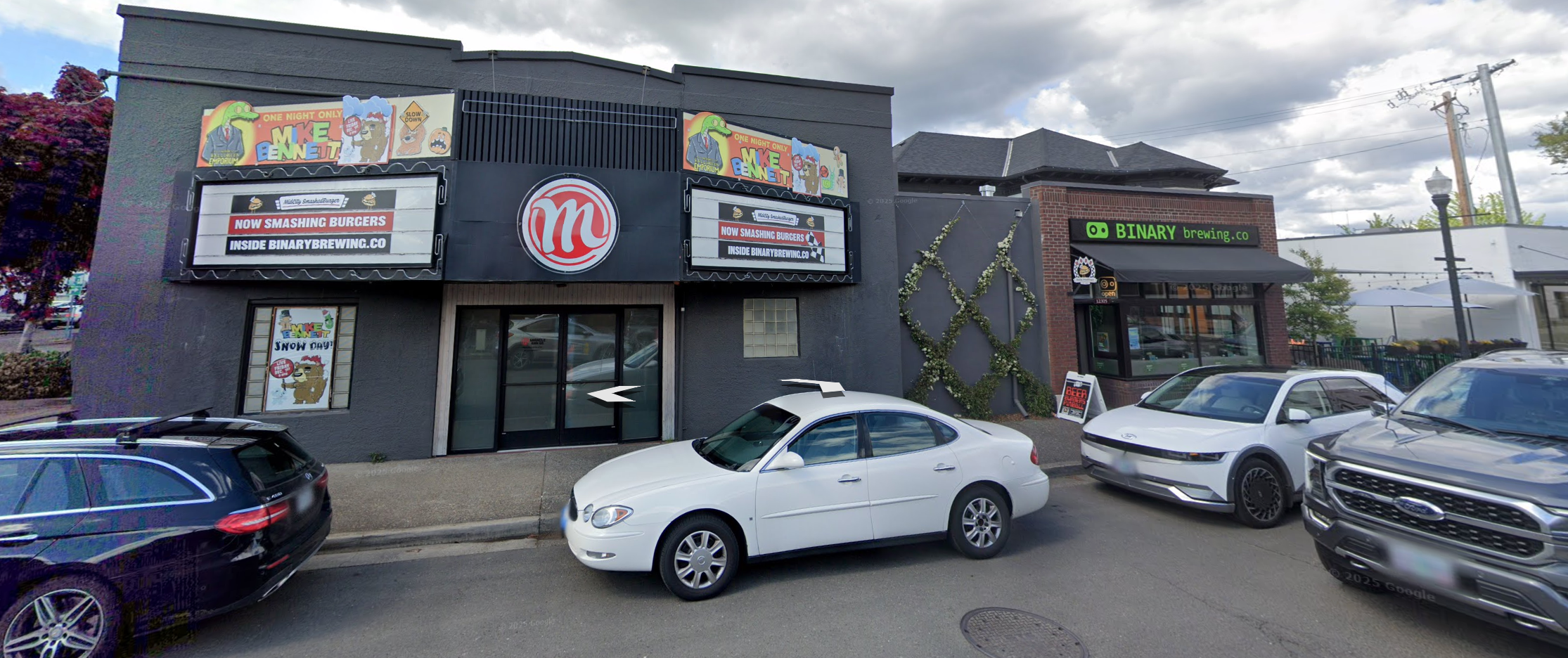
Today, the historic theater building still stands in downtown Beaverton. The former theater space has been repurposed as a burger restaurant, while the rear portion of the building is occupied by Miracle Sign Company. In 2012, after the downtown district was added to the National Register of Historic Places, a historical plaque was installed recognizing the Beaver Theatre's significance to the community. The plaque commemorates a building that served Beaverton residents for decades under several names, including the Beaver Theatre, Pacific Theatre, Ritz Theatre, and
Film Fair. Though its role has changed dramatically over time, the building remains a visible reminder of downtown Beaverton's entertainment history.