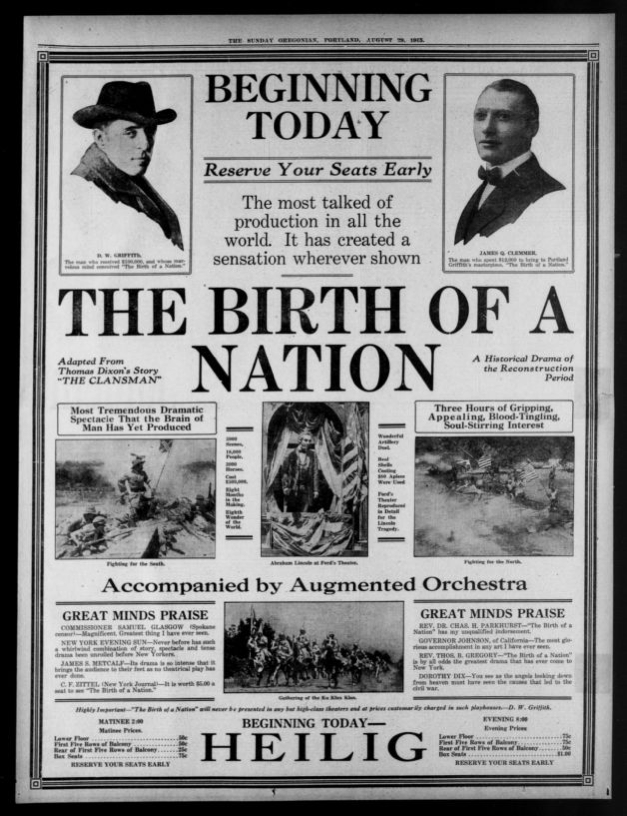
The Heilig Utilizes New Advertising Strategy for its Theatre

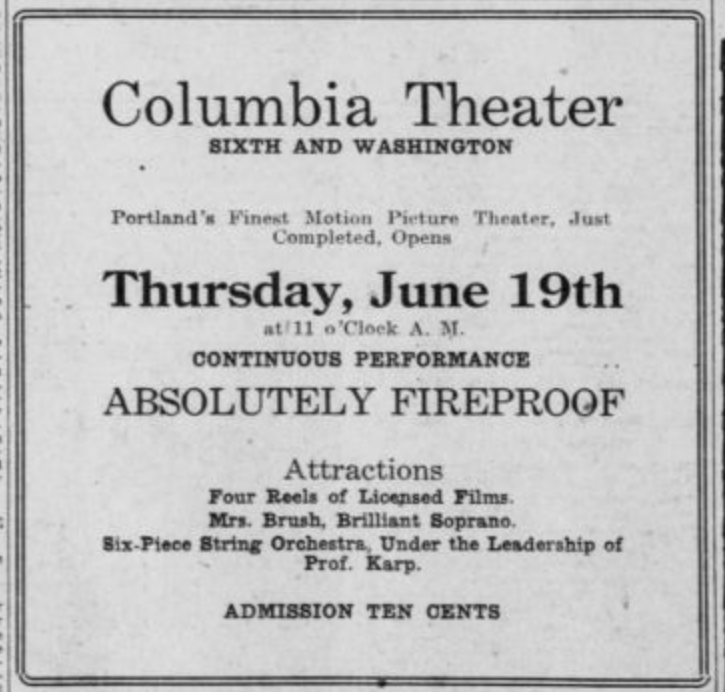
The Heilig theater, located in Portland Oregon, was a vibrant and thrilling addition to the Portland theater scene in the 1900s. It was built in 1910 and slowly became a staple for movie patrons in the Portland area. Although the Heilig was well known as a movie theatre, it was also extremely popular for showing comedic operas and vaudeville shows.

The Raffles of the Grand Theatre

           On May 15, 1909, readers of the Oregon Daily Journal were greeted with the front page news of the arrival of the mysterious Mr. Raffles. Also known as Edward F. Girard, this man reportedly baffled “thousands of people in other cities of America” and was now saying that doing the same in Portland would be “easy” (9). Raffles was his name, eluding people was his game, and all Portlanders had to do was identify him to win the promised prize of five hundred dollars (8).

Film Censorship: America's Disagreement

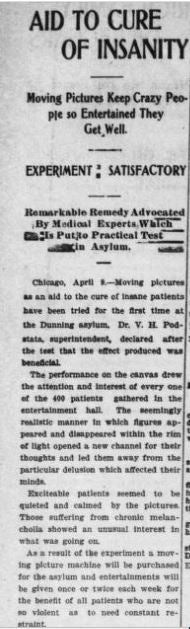
The early 1900's era of filmmaking was under the firm grasp of the National Board of Censorship, an organization formed to prevent the showings of indecent or suggestive content in movies. This became quite a hot topic among viewers at the time. Some Americans preferred a restriction on what they considered to be inappropriate while others favored a more risqué style. This debate did not go unnoticed in Portland, Oregon and in fact seemed to emphasize the same national issues. Listed below are four separate segments from two Portland Newspapers between years of 1910 and 1922.

Portland's Stringent Censorship Board

Upon doing more research on film censorship occurring in Portland in the early 1900s, I learned that there was a Portland board of motion pictures censor. Viewers of the Portland board of motion pictures censor had the authority to order scenes and subtitles from publicly released films to be removed. According to an article from The Oregon Daily Journal in March 1921, the film Passion was ordered to remove three scenes and one subtitle from its film, which is focused on Madame DuBarry, a French revolutionary.

Portland Exhibitors Against Censorship

With the moving picture industry expanding at a rapid pace, film censorship was quickly growing as a potential threat for those involved in the industry. According to an article from The Sunday Oregonian in 1915, there was an opposition to film censorship by men of The Portland Press Club. The president of the club made the argument "if exhibitors in Portland show flagrant pictures, the public itself will be the censor". He continued to explain that if a picture is disliked by the public, it will fail and no longer be shown.